You are here:
Having a say
13
– 17
years
old
What does this mean?
It’s your right to express your views and for your views to be taken into account when decisions are being made that affect you.
This is what Article 12 of the UNCRC says.
This doesn’t mean adults have to do whatever you tell them! Adults also have to think about what is best for you.
As much as possible, adults should ask and consider your views when making decisions that affect you. This includes parents, teachers, youth workers and people with power, like the government or local authorities.
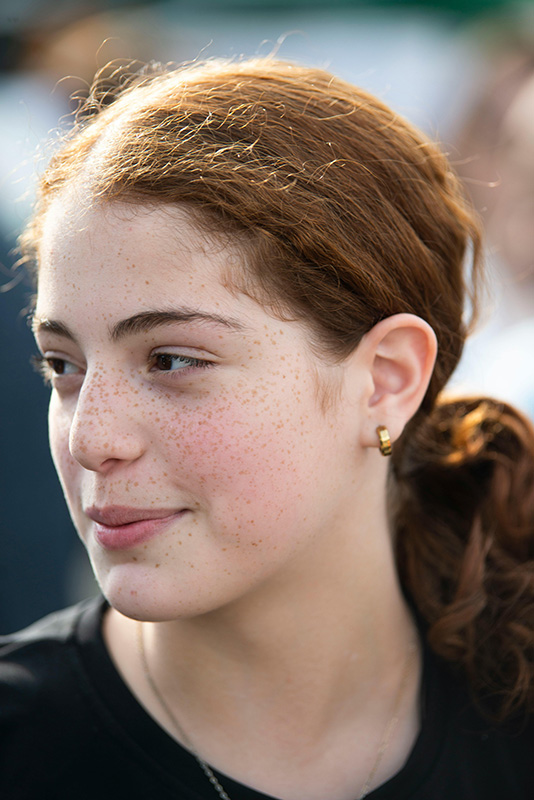
Jessica’s story
The county council were building a new youth centre for teenagers in my local area and they brought together all the young people in my estate to chat about what it might look like. We wanted it to be bright, colourful, with spaces to chill out and even a coffee machine! It was cool to see our vision come to life.
How is this right protected in Ireland?
The right to be heard is protected by Irish law, but only in some circumstances:
Does every child in Ireland get this right?
Debate it!
Children shouldn’t have a say just for the sake of it. It should be meaningful.
How do we make sure this happens? Well, adults should help all children to have their voice heard, from the very beginning. This means talking to children in different ways and in a safe space that suits them. Adults have to make sure they listen properly to children and actually take their opinions into account. Children should know who is listening to them and what they can do for children. If they can’t act on the child’s opinion, they should let the child know why.
Do you think all youth participation in Ireland is meaningful?
Find out what you can do when you’re not getting your rights.

Rights
that help you get all your rights
All different, All equal
Doing what’s best for children
Having a say
Find out
about your rights!
7-12 years old
13-17 years old