This is a summary report –
to access the full text of
2020 Childhood Paused download here


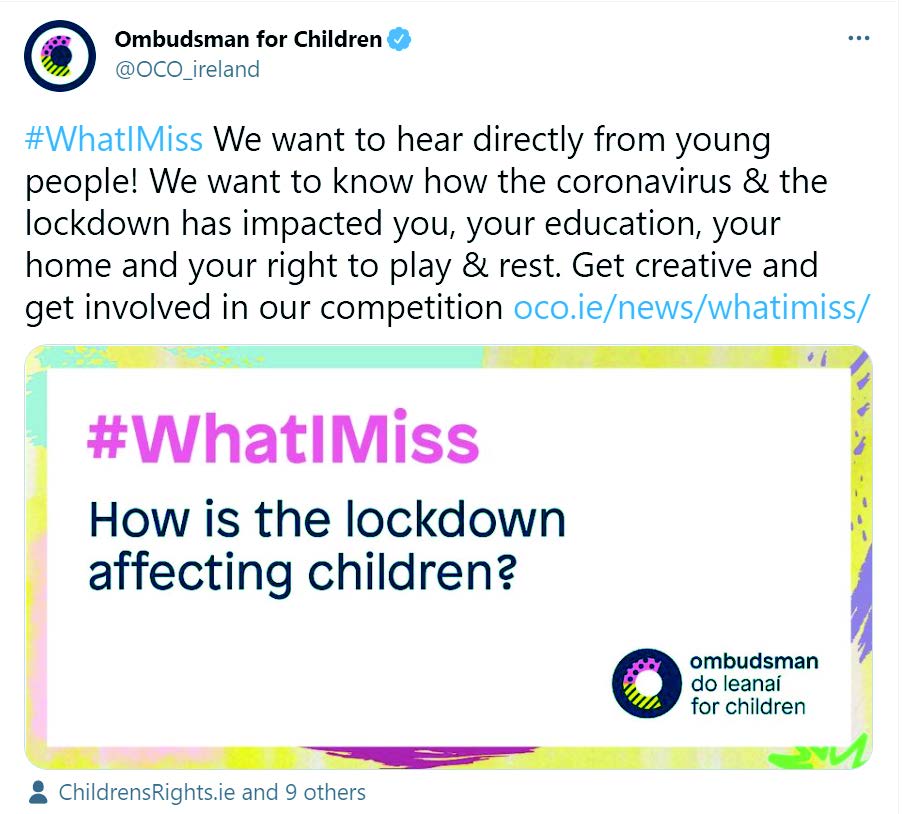
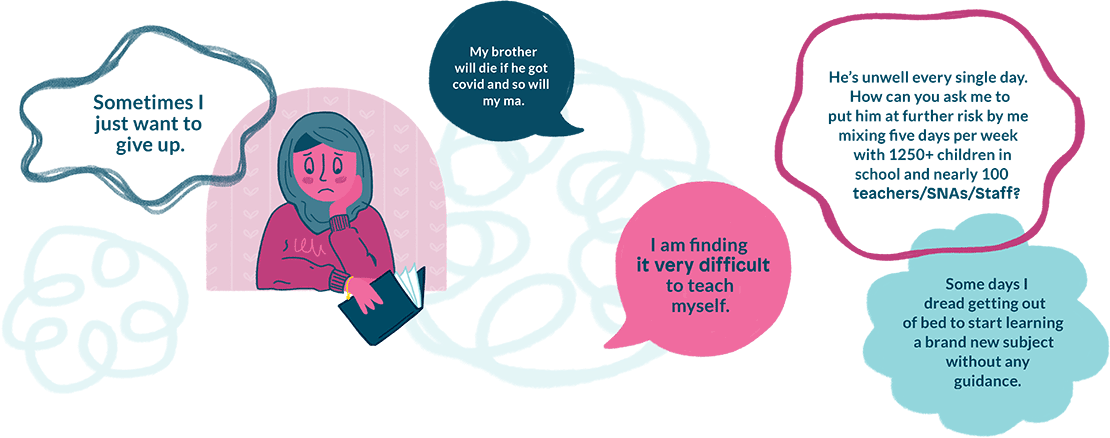
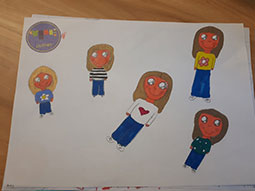
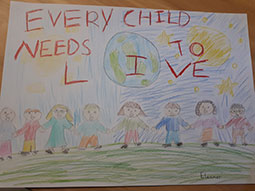
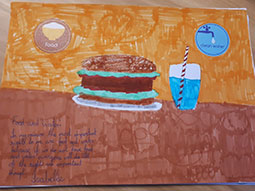
In April 2020 the OCO ran #WhatIMiss, a social media campaign inviting children and young people to share their experiences of the first lockdown. This competition was judged by a group of young people who took part in Child Talks 2019.

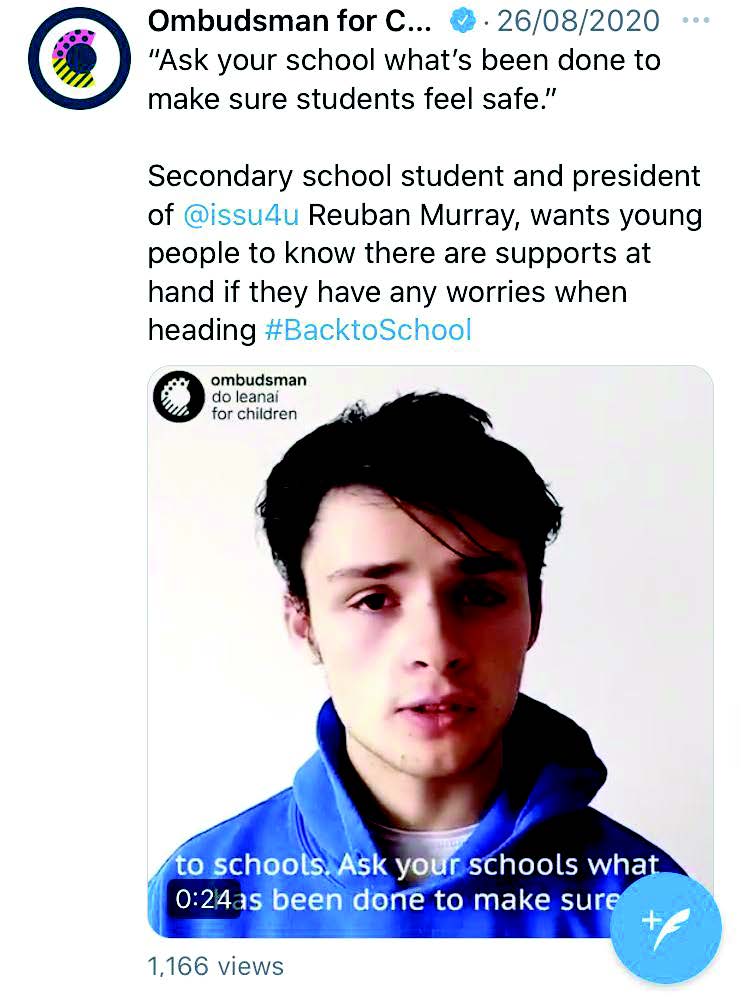
Back to School, a series of online videos, featuring tips and advice for children and young people getting ready to return to school ran in August. Niall’s message to Leaving Cert students reached over 19,000 timelines on Twitter.

Child Talks 2020 took place on 20th November to mark World Children’s Day. Child Talks was broadcast on RTÉ Television, livestreamed on the OCO website and included a special video message from An Taoiseach, Micheál Martin.
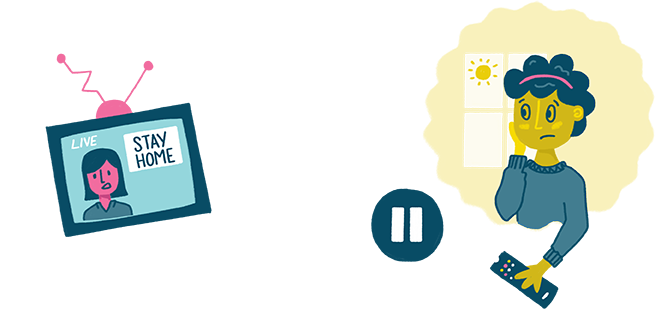
In 2020 the complaints received by the OCO were heavily influenced by the pandemic. When restrictions were introduced in March 2020, complaints came to almost a complete halt. People were not complaining about services provided to children. As is always the case, the complaints received by the OCO reflect some of the major issues affecting children and families in Ireland.
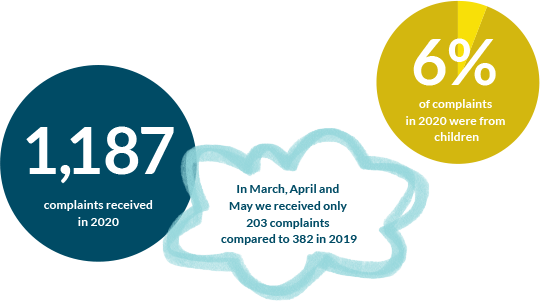
Complaints received: 1,187
What this means: We received 316 fewer complaints in 2020 than we did the previous year. This is directly linked to the pandemic. In March, April and May we received only 203 complaints compared to 382 in 2019 whereas the remaining months reflected the previous year.
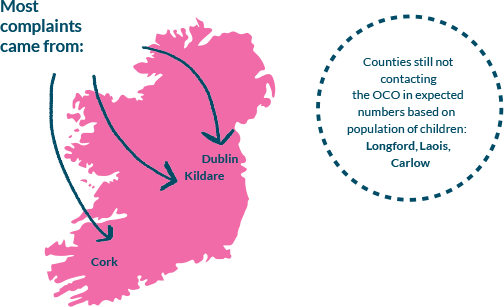
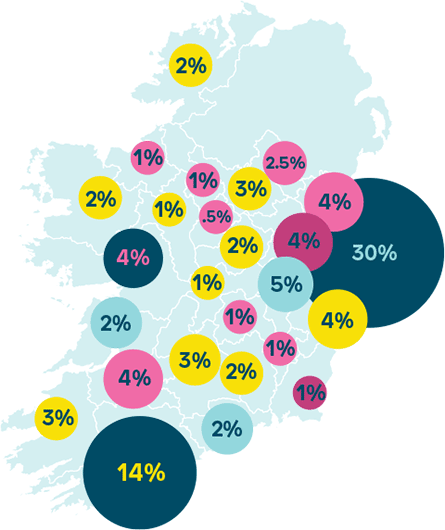
Of the 805 new complaints in 2020 where location is known, the highest number came from the Dublin region.

2020 saw a significant increase of the number of children that contacted us directly to make complaints. In 2019 3% of all complaints were children and this rose to 6% in 2020. The influence of children’s voices in bringing about policy change is evident in the cases investigated by the OCO including those in relation to calculated grades, state examinations and children living in very high risk households.
| Parents | 80% |
| Extended Family Members | 3% |
| Professionals and Organisations | 8% |
| Unrelated Adults | 3% |
| Children | 6% |
| Other | 4% |
Due to the pandemic we did not receive the same number or same types of complaints in many areas. This was due to the fact that many services were closed or offering only basic cover. It is therefore difficult to compare the types of complaints received in 2020 with those of other years.
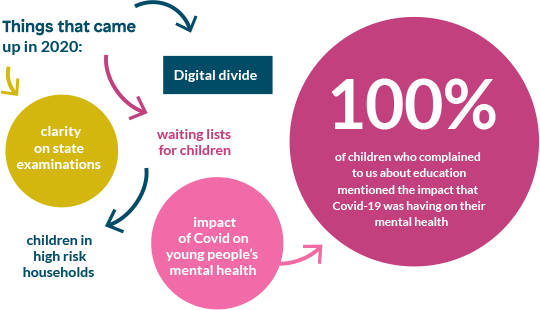
2020 saw complaints about a number of new issues affecting children. These include the digital divide, lack of clarity on State examinations, the disproportionate effect the pandemic has had on children with disabilities, children in care and children in high risk households.
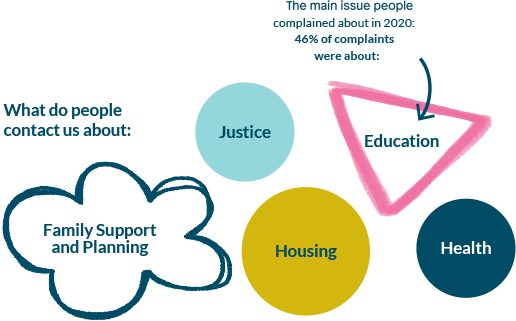
| Education | 46% |
| Family Support Care and Protection | 20% |
| Health | 14% |
| Justice | 5% |
| Finance, Social Protection and Welfare | 2% |
| Housing and Planning | 6% |
| Other | 7% |
Steven’s mother made a complaint to the OCO about the Calculated Grading System. Steven, who was 17, had studied accountancy outside of school with a tutor but had been refused a calculated grade for the subject. Steven’s mother could not understand why her son was not provided with a grade given that the work he had done with his tutor had been documented. Steven’s mother explained how this had caused immense stress for Steven as he had worked very hard in the subject and had hoped that the grade he would receive in accountancy would contribute to the points he needed to get his course of choice at university. He had exhausted local procedures with the Department, including the independent appeals mechanism.
We wrote to the Calculated Grade Executive Office (CGEO) in the Department of Education to seek clarity on why Steven had not been given a calculated grade and the rationale behind this decision. We also asked for all information collected by the CGEO that helped inform their decision as well as information passed to the Independent Appeals Scrutineer (IAS) when Steven submitted an appeal.
In this particular case it appeared that both the CGEO and the IAS adhered to the appeals policies and procedures set out by the Department of Education to deal with appeals of the Calculated Grading System.
With this being said we know there was a number of challenges with the calculated grades processes and we hope that any learning from 2020 will drive improvements for students in 2021.
Sam is a 7 year old boy with autism. His dad came to the Ombudsman for Children’s Office when Sam was refused entry to his school, unless his father agreed to a significantly reduced timetable. Sam had been unwell which resulted in his inability to take his medication for a short time. Without his medication, Sam’s behaviour can be challenging. Once Sam was well, he was able to resume taking his mediation but the school was still insisting that Sam stays on a reduced timetable.
When questioned by the parents, the school advised that they were unable to manage Sam without a full time SNA. The parents had received confirmation from the SENO that support was in place for Sam to attend school. They asked for a phased return to school but were initially denied. Following a ultidisciplinary meeting at the school the principal agreed to allow Sam back to school. However, they reserved the right to call the parents to pick him up at any time, if there were any safety concerns. The parent expressed his concern that he would be called regularly to collect Sam as his relationship with the school had broken down.
The OCO met with representatives from Tusla Education Support Services (TESS) and raised our concern about the use of reduced timetables in this case. The OCO was asked to report all concerns regarding the misuse of Reduced Timetables to the TESS Regional Manager and the Education Welfare Officer (EWO). The EWO met with the school and the parents separately. He formed the opinion that this school was not the best place for Sam and supported the parents with making an application to attend a special school who would be better able to manage Sam’s needs.
Sam has remained with his school for the rest of the school year and there were no further reductions to his timetable. His parents, with the help of the EWO, have applied for Sam to attend a special school in September 2021 as it would be more suitable for him to meet his educational needs.
However, we remain concerned about the use of reduced timetables and will continue to engage with the Department of Education.
Fionn is an 8 year old boy with complex medical needs. Fionn is reliant on a ventilator and requires constant breathing support. As a result he cannot be left alone at any time, even throughout the night. Fionn receives a paediatric homecare package through a private service provider procured by the HSE. Fionn and his family are entirely reliant on his homecare package, without which Fionn would be unable to be at home and would require full-time inpatient care.
Fionn’s father made a complaint to the OCO concerning the HSE and a privately run service provider that was contracted by the HSE to provide Fionn’s homecare package. Fionn’s father made a complaint to the service provider about confidentiality and discretion, safety and staff competence, rostering and unprofessional conduct by management. The complaint was investigated but not upheld. Fionn’s father was not satisfied with the outcome and didn’t think that a clear rationale had been provided for not progressing his complaint. He wrote a letter outlining his concerns to the HSE and the service provider and soon after the service provider terminated their contract with the HSE concerning Fionn’s care. Fionn’s father believes that the decision to terminate the contract was due to his complaint. He made a complaint to the HSE, but never received a formal response. He then raised his complaint with the Committee of Public Accounts and a response was provided by the HSE to the committee’s request. The HSE said that Fionn’s father had been incorrectly directed toward the HSE to seek a review of his complaint but owing to a policy change in 2017 it was now the responsibility of service providers of paediatric homecare packages to conduct their own complaint reviews. Fionn’s father expressed concern in his complaint to the OCO about the HSE’s oversight of paediatric homecare packages, he advised that families were not provided with an opportunity to give feedback on the service their child received.
We wrote to the HSE and interviewed the Head of Service for Primary Care in the area concerned. The HSE acknowledged shortcomings in relation to their communication with Fionn’s father. They explained the oversight of paediatric homecare packages which takes place through a Service Arrangement Review process and through the public health nursing service. The HSE acknowledged that they should have picked up on the discrepancy within the Service Provider’s complaints policy concerning how complaints are reviewed and apologised for these shortcomings.
They explained that plans to establish twice yearly forums for parents of children who receive paediatric homecare packages have been put on hold due to the Covid-19 crisis. Parents will be given an opportunity to provide feedback in relation to the service they are receiving. We wrote to the Service Provider and interviewed the Head of Advanced Community Care and the Clinical Risk Manager. The Service Provider acknowledged that their complaints policy had been inaccurate with respect to arrangements for reviewingcomplaints. Therefore Fionn’s father did not have a mechanism open to him to ask for his complaint to be reviewed. The Service Provider has up-dated their policies to reflect their responsibility to conduct their own complaint reviews. They have also identified a suitably qualified person to undertake a review of the complaint concerning Fionn’s care and committed to conducting the review.
The OCO always encourages and promotes local resolution of complaints by public bodies. We are satisfied with the Service Provider’s plans to arrange for an independent review of the complaint. We also wrote to the HSE encouraging them to proceed with plans to establish forums for parents of children in receipt of homecare packages as soon as it is safe to do so in accordance with public health guidelines.
In the summer of 2016, when Jack was three years old, he was involved in a serious road traffic accident in another country, resulting in a brain injury and other significant life-changing injuries. Jack, who had previously met all his developmental milestones, was diagnosed with an array of physical disabilities and a profound intellectual disability that would require full assistance with all aspects of his daily care.
In April 2017 Jack’s mother discharged him from hospital abroad and brought him back to Ireland, where he was immediately admitted to hospital. In January 2018 we received a complaint on Jack’s behalf from members of the multidisciplinary team in the acute paediatric hospital where Jack was an inpatient. The team expressed concern about the delays in getting services for Jack by the relevant Health Services Executive (HSE) Disability Service so that he could leave hospital.
When Jack’s mother expressed concern that she wouldn’t be able to properly look after him at home, a referral was made to Tusla by a medical social worker informing them of this and seeking their help. This was followed up later by further referrals by a medical team. However, these were ultimately rejected by Tusla on the grounds that they were solely a matter for the HSE.
We investigated Jack’s case and found that the administrative actions of both the HSE and Tusla had a negative impact on his life. After Jack was deemed medically ready for discharge from hospital in August 2017, he remained living between two hospitals and a specialist community respite setting for two and half years due to the failure of the HSE Disability Services and Tusla, the Child and Family Agency, to work individually and together to meet his needs.
The OCO believes that if the HSE and Tusla had worked together at an early stage Jack may have had the opportunity, with adequate support, to grow up with his family. Even if it was not possible for him to return home, he could have been moved sooner to a more homely environment and even gone to school. We are also concerned that Jack’s eventual placement with a host family by the HSE Disability Services was made without any legal or formal regulatory framework or proper authority. In addition, we found no indication that Jack’s mother was made aware of these concerns, and that efforts do not seem to have been made to directly contact Jack’s father in relation to his son’s placement.
There was also a lack of adequate communication between the HSE Disability Service and the hospital following Jack’s initial referral in August 2017, as well as an unsatisfactory fourmonth delay in the HSE response time to a complaint made by the multi-disciplinary team trying to get the matters resolved. Tusla should have completed an initial assessment on Jack and his family when they were informed by the medical social worker and medical team about their concerns and the potential risks and harm to him. They refused on the basis that these were issues for the HSE Disability Services, and that Jack did not meet their threshold for care. It is our view that this decision was unduly informed by Jack having a disability.
The HSE told us there were a further 356 children with disabilities in need of a residential placement. They were also aware of the need for increased funding for early intervention support and services for families to support children to be cared for at home.
This investigation highlights the need for Tusla to review the management of referrals they receive about children with a disability and how they engage with the HSE in providing this support. We believe that every child should have the right to grow up with their families and no child should lose that opportunity due to a lack of resources, services and/ or coordination of state services.
The OCO made a number of recommendations to both the HSE and Tusla relating to Jack’s case and also changes needed to provide supports to the 356 other children with disabilities who need a residential placement. At the core of all of these recommendations is the need for a high level of inter-agency cooperation.
In response to these recommendations the CEOs of the HSE and Tusla issued a joint response to the Ombudsman for Children, fully accepting our recommendations.
Since then, Jack’s care plan has been reviewed and all agencies are now working together with Jack’s mother and host family to meet his needs. Jack has also been provided with a range of services, medical equipment and an individualised budget to meet any emerging needs. Tusla have assigned a liaison person to Jack’s case through their family support Meitheal service. The HSE and Tusla have also agreed to arrange an assessment of whether Jack’s current host family arrangement complies with all safeguarding requirements (as per Children First: National Guidance for the Protection and Welfare of Children 2017).
Jack is enrolled in school and has two classmates.
The Service Director of Tusla and HSE Chief Officer in the area where Jack was from have agreed to meet quarterly due to the high volume of complex cases of interest to both agencies in the area.
The OCO will review the progress of the HSE and Tusla in implementing the recommendations of this investigation to ensure children like Jack with disabilities who are unable to live with their parents receive the services and supports they require.
Direct Division: children’s views and experiences of living in Direct Provision accommodation was published in July 2020.
Between June and November 2019 we undertook a consultation with 73 children aged between 12 and 17 years in nine Direct Provision centres around Ireland. Using focus groups, interviews and two away days that allowed the children to work on creative expressions of their life in Ireland, the consultation explored the children’s views on the achievement of their rights, their experiences of inclusion and exclusion in school, the local community and wider Irish society. Direct Division includes a review, from a children’s rights perspective, of relevant national and international policy and priorities for action by the Irish government.
Within their accommodation centres, children cited lack of space and privacy as problems. Their sense of isolation was exacerbated by poor transport, which prevented them from taking part in afterschool or community based activities. Difficulty in asking for lifts was often linked by the children to their sense of stigma and fear of being judged about where they live.
Many of the children felt discriminated against in school and reported experiences of racist slurs such as the “N Word” and taunts of being terrorists if identified as being of the Muslim faith. There were reports of bullying related to race, religion and nationality in school. Teachers were often seen by the children as not standing up for them when their peers were expressly or covertly racist or sectarian. Children also reported that some teachers expressed racist or discriminatory sentiments themselves, or were covertly racist. Teachers were reported as knowing little about what it meant to be an asylum seeker or what living in Direct Provision accommodation is like and the restrictions it placed on the children.
Some children also experienced discrimination in their local communities, feeling that the colour of their skin was how many Irish people judged them. These children wanted Irish people and communities to know about the hurt, pain and terror they experienced in their home countries so they would understand why they are seeking protection here.
Playing sports at school or representing their school in events like fashion shows, musicals and debating team helped some children to feel included. Where schools took steps to respect the children’s religion and culture, this was very much appreciated. This includes schools which permit the wearing of the hijab, provide prayer rooms, provide Halal food and hold international and multi-cultural days.
Many of the children wrote about loving Ireland, of feeling safe here, of being grateful for the protection they have received. Others, however, wrote challenging messages, asking to be treated as a person and not a colour, and seeking greater understanding.
The children made many suggestions for changes. Most prevalent among these were a faster process for determining their immigration status and action to counteract and stamp out racism. While living in Direct Provision accommodation, almost all of the children wanted more living space, more privacy and greater access to transport. Many wanted an end to centre-based, communal accommodation and a move to own door housing in the wider community. However, many of the changes sought were smaller and simpler. These included footpaths from the centre to the local town and more information about community events that they could get involved in.
Direct Division was launched online and a number of the children who contributed attended this virtual event. This launch included a short film of interviews that the children gave during our consultation. This film, as well as the full report and the children’s art are available on the OCO website.
Read the full Direct Division: Living in Direct Provision Report
When the Covid-19 restrictions were imposed in March 2020, there were 2,400 children seeking international protection in Ireland and living in Direct Provision or emergency accommodation. During August 2020 we spoke to a small number of the children who had participated in our earlier consultation to find out what life in lockdown was like for them.
The children shared many of the concerns and anxieties of many children in Ireland, including that they were falling behind in school, fears over returning to school and being exposed to the virus, anxiety that their families would become ill with the virus, isolation and boredom, lack of areas to play and socialise in, as well as a lack of, or confusing information, about Covid-19.
The boredom, loneliness and frustration felt by most people during the lockdown was magnified for children living in Direct Provision accommodation by the fact that they had to stay indoors, often in one small room or living space, with their whole families for months. According to the children their right to education was most affected by the lockdown. All of the children we spoke to expressed difficulty with keeping up with school due to a lack of support services, digital poverty and language barriers.
The camaraderie among children living in Direct Provision, the support they provide each other and the bonds they form often combat their general social isolation. However, these relationships were challenged during lockdown as outbreaks in centres occurred. With families being removed from centres to self-isolate elsewhere, fear grew among residents and this lead to children reporting stigmatisation and isolation from their peers on their return to their centre.
The Covid 19 pandemic and first lockdown amplified the isolation, exclusion and marginalisation of these children who were already living, in many cases, on the fringes of Irish society and brought many of the shortcomings of the Direct Provision system into sharp relief.
Our report Direct Division: Life in Lockdown can be accessed on our website.
For many years the OCO has been receiving complaints about access to an Assessment of Needs (AON) and the recommended services for children with disabilities. We are very concerned about the serious negative impact that the AON system has been having on children’s health and wellbeing as well as their future development. In 2020 we published Unmet Needs, an examination of AON from a children’s rights perspective.
Through the OCO’s work in participation and rights education, the issue of nationality and identity is often raised by children and their families. In the work that we do with children all over Ireland, particularly those living in Direct Provision, this is a very real issue and one we decided to explore further through research.
Under the UNCRC every child has the right to acquire a nationality. In Ireland, as in many other countries, this is inextricably linked with acquiring citizenship. Many non-national children in Ireland and their parents wish to acquire Irish nationality and citizenship. However, for many of the most vulnerable children, acquiring citizenship through the naturalisation process is far from straightforward. These include separated children seeking asylum, stateless children, children who have come through the asylum process and undocumented children.
In seeking to understand the ways in which these children can acquire Irish citizenship and their needs, we commissioned Dr Samantha Arnold to undertake research into the avenues available for accessing citizenship in Ireland for non-EEA children and to share with us some of the changes that she believes would help improve non-national children’s access to Irish citizenship. In doing so we hoped to learn more about the current position and to inform our engagement with the children affected by these issues, as well as our contribution to policy and legislative debates. What this research clearly highlights is that, for these vulnerable groups of children and their families, the path to Irish citizenship and the rights and entitlements this gives them is long, complex and expensive. Dr Arnold points to a number of issues that, in her view, require attention including the delays that often occur in these processes, the lack of clarity that exists between relevant agencies, the absence of a clear and formal process for stateless adults and children, the need for greater attention to be paid to the specific vulnerabilities and needs of children, and the limits on the legal aid available to applicants.
While many of the tangible benefits of having Irish citizenship arise when children reach adulthood (e.g. ability to vote in General Elections, eligibility for some Government jobs), a grant of Irish citizenship, in particular for undocumented children, means some additional freedoms and rights, such as greater access to family reunification in some cases, freedom to travel within the EU and overseas including with family or indeed foster families, and, generally speaking, protection against deportation. Importantly, however, citizenship brings with it intangible benefits. These include a sense of belonging, stability and security that many of the children with whom this research is concerned have not had for long periods of time. While allowing for proper checks to be undertaken by the national authorities, affording children this security is sufficient reason to consider how we make pathways to citizenship for them as accessible and transparent as possible.
Dr Arnolds report, Pathways to Irish Citizenship Separated, Stateless, Asylum Seeking and Undocumented Children, was launched by the office in June 2020 and is available on the OCO website.
Children’s education was completely disrupted and in many cases curtailed in 2020 due to the pandemic. Children of all ages were impacted in many ways. Closing schools meant that children not only missed their friends, teachers and all of the development opportunities that school offers, but some missed essential health and other supports, while others missed out on meals and vital contact with one good adult.
The majority of the education complaints we received related to the Leaving Certificate Exams and the impact it was having on the daily lives of young people.
In 2020 6% of the complaints made to the OCO came directly from children, this is an increase from 3% in 2019. The increase in the number of children who contacted the OCO in 2020 can largely be attributed to those who contacted us in relation to education issues and is an indication of the level of upset among students.
While the complaints made to the OCO may have related to calculated grades, digital poverty or other issues, 100% of the children who contacted us mentioned the mental health of children.

During the summer of 2020, we became aware of the Forgotten Families; a group children who were unable to return to school due to the risk of a vulnerable family member contracting the virus. Children who were in the very high risk category were exempt from returning to school and provision was made for their education to be delivered remotely. Unfortunately those children who had a parent or sibling in a very high risk category were not exempt and were expected to return as normal. This Office received direct contact from nine of these families.
Many children wrote directly to the Ombudsman for Children expressing their fears of causing the death of a parent or sibling. Many were facing into their exam years and had been told by their schools there was nothing they could do to help.
“After six years in my secondary school, where I thought I was valued, I was told by my school principal that I couldn’t have online classes. When asked why, he said he wouldn’t because he didn’t have to”
“My brother will die if he got covid and so will my ma”
“He’s unwell every single day. How can you ask me to put him at further risk by me mixing five days per week with 1250+ children in school and nearly 100 teachers/SNAs/Staff?”
“I am finding it very difficult to teach myself”
“Some days I dread getting out of bed to start learning a brand new subject without any guidance”
“Sometimes I just want to give up”
Read about Steven's case on calculated grades Read about Sam's case on returning to special education
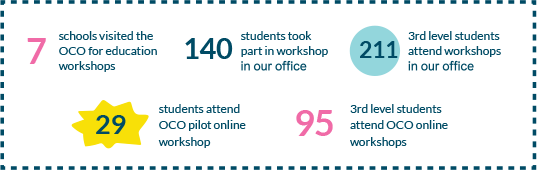
Unfortunately, due to Covid-19 restrictions, we were not able to welcome children into our office for workshops for most of 2020. Before schools closed and restrictions were introduced in March 2020, seven schools – five primary and two post primary – came to our offices for workshops. In total, 112 primary school and 28 post primary pupils attended these workshops.
We piloted remote workshops with children when schools reopened in September 2020. These workshops were held on Zoom over three classes, with 29 children taking part. Following the successful pilot, we plan to offer these remote workshops in 2021 while restrictions continue.
Prior to restrictions being introduced early in the year, we delivered six third level seminars in four institutions to a total of 211 students. During the remainder of 2020 we also delivered four remote seminars in three institutions. These remote seminars were attended by 95 students.


We launched our new look It’s Your Right webpages in September 2019, with information for three age groups: 4 to 7 years; 8 to 12 years and 13+ years and an interactive educational game called Right’s Runner, aimed at children aged 8 to 12 years.
In 2020 we continued to update and add to the information on It’s Your Right and promote it through schools. We also developed and added a number of online education resources for schools and students when schools were closed.
Waiting lists dominated complaints in 2020 as the health services focused on battling the pandemic and there is no doubt that this will be a dominant theme for 2021. Health complaints related to the HSE or hospitals directly, and some are complex cases involving a number of agencies with differing roles and remit such as Tusla or CAMHS. This year also saw a number of concerns regarding HSE guidance with respect to Covid-19 regulations and the impact upon the health of children attending school.
Read about Fionn's case on homecare support
In July 2020, the OCO was contacted by India Kennedy, the Donegal Regional Officer for the Irish Secondary Student’s Union (ISSU). India, a 6th Year student, had researched and written a mental health and well-being manual - How’s Your Head? A Resource for Staying Afloat Post-COVID-19 - to help students returning to school in September in the context of the ‘new normal’ of the Covid-19 pandemic and restrictions.
We provided India and her ISSU colleagues with editorial and publishing assistance to help spread the word about the manual on our social media.
We were concerned about the grave physical, emotional and psychological impact that Covid-19 and the subsequent Government policies were having on the lives of children and families. Their world reduced to 2 km, their schools closed, their team sports stopped and their playgrounds were locked.
Children’s right to be heard and to be taken into account in decision-making processes does not cease in situations of crisis or in their aftermath. Therefore, in May 2020 we made a submission to the Special Oireachtas Committee on Covid-19 response highlighting our deep concerns and asking for the government to take specific action to address the needs of children at this time.
When the Covid-19 restrictions were imposed in March 2020, there were 2,400 children seeking international protection in Ireland and living in Direct Provision or emergency accommodation. During August 2020 we spoke to a small number of the children who had participated in our earlier consultation to find out what life in lockdown was like for them.
The boredom, loneliness and frustration felt by most people during the lockdown was magnified for children living in Direct Provision accommodation by the fact that they had to stay indoors, often in one small room or living space, with their whole families for months. According to the children their right to education was most affected by the lockdown. All of the children we spoke to expressed difficulty with keeping up with school due to a lack of support services, digital poverty and language barriers.
The Covid 19 pandemic and first lockdown amplified the isolation, exclusion and marginalisation of these children who were already living, in many cases, on the fringes of Irish society and brought many of the shortcomings of the Direct Provision system into sharp relief.
While the pandemic influenced how the OCO carried out all of its work in 2020, there were a number of projects and publications that continued and were finalised in 2020. This work spans across the office and includes investigations, research and publications carried out by our Policy team, those in Participation and Education Rights, as well as Complaints and Investigations.
Focusing on the rights and needs of children with disabilities has been a priority for the OCO for many years and forms part of our Strategic Plan 2019-2021. In 2020 a number of key pieces of work were undertaken and finalised.
In 2020 we published Jack’s Case. This case was important as it highlights, once again, the barriers facing children with disabilities as they try to access the services they need.
For many years the OCO has been receiving complaints about access to an Assessment of Needs (AON) and the recommended services for children with disabilities. We are very concerned about the serious negative impact that the AON system has been having on children’s health and wellbeing as well as their future development. In 2020 we published Unmet Needs, an examination of AON from a children’s rights perspective.
We know from our work that children with disabilities can face multiple barriers to enjoyment of their rights.
In 2020, we commissioned researchers from the Centre Disability Law and Policy and the Institute for Lifecourse and Society at NUI Galway to conduct desk-based research to provide us with a more comprehensive understanding of the barriers that children with disabilities in Ireland can face to realising their rights.
The researchers worked to identify key barriers that mitigate against children with disabilities enjoying their rights under the UNCRC and the UNCRPD. This research was completed in 2020 and we plan to publish a report documenting the findings and recommendations of the research in early 2021.
Between June and November 2019 we undertook a consultation with 73 children aged between 12 and 17 years in nine Direct Provision centres around Ireland.
Within their accommodation centres, children cited lack of space and privacy as problems. Their sense of isolation was exacerbated by poor transport, which prevented them from taking part in afterschool or community based activities.
Many of the children felt discriminated against in school and reported experiences of racist slurs such as the “N Word” and taunts of being terrorists if identified as being of the Muslim faith. There were reports of bullying related to race, religion and nationality in school. Teachers were often seen by the children as not standing up for them when their peers were expressly or covertly racist or sectarian. Children also reported that some teachers expressed racist or discriminatory sentiments themselves, or were covertly racist. Teachers were reported as knowing little about what it meant to be an asylum seeker or what living in Direct Provision accommodation is like and the restrictions it placed on the children.
Some children also experienced discrimination in their local communities, feeling that the colour of their skin was how many Irish people judged them. These children wanted Irish people and communities to know about the hurt, pain and terror they experienced in their home countries so they would understand why they are seeking protection here.
Playing sports at school or representing their school in events like fashion shows, musicals and debating team helped some children to feel included. Where schools took steps to respect the children’s religion and culture, this was very much appreciated. This includes schools which permit the wearing of the hijab, provide prayer rooms, provide Halal food and hold international and multi-cultural days. Many of the children wrote about loving Ireland, of feeling safe here, of being grateful for the protection they have received. Others, however, wrote challenging messages, asking to be treated as a person and not a colour, and seeking greater understanding.
The children made many suggestions for changes. Most prevalent among these were a faster process for determining their immigration status and action to counteract and stamp out racism. While living in Direct Provision accommodation, almost all of the children wanted more living space, more privacy and greater access to transport.
Read the "Direct Division" report
In June 2020, the Government committed to ending Direct Provision and publishing a White Paper by the end of the year to replace Direct Provision with a new international protection accommodation policy.
In our submission to the Minister for Children, Equality, Disability, Integration and Youth we emphasised that the development of, and transition to, the new system must have children’s rights and best interests at its core and must consider the views of children living in Direct Provision.
The DCEDIY published the White Paper in February 2021. Children’s rights, integration from day one, dignity, respect and privacy will be among the principles underpinning the new model, in line with recommendations made in our submission. We will continue to monitor actions taken to reform the international protection accommodation system and implementation of the White Paper, to ensure these actions uphold the rights of children seeking international protection.
Read our White Paper on international protection accommodation
The issue of nationality and identity is often raised by children and families that we meet. Under the UNCRC every child has the right to acquire a nationality. In Ireland, as in many other countries, this is inextricably linked with acquiring citizenship. Many non-national children in Ireland and their parents wish to acquire Irish nationality and citizenship. However, for many of the most vulnerable children, acquiring citizenship through the naturalisation process is far from straightforward. These include separated children seeking asylum, stateless children, children who have come through the asylum process and undocumented children.
We commissioned Dr Samantha Arnold to undertake research into the avenues available for accessing citizenship in Ireland for non-EEA children and to share with us some of the changes that she believes would help improve non-national children’s access to Irish citizenship. This research clearly highlights that for these vulnerable groups of children and their families, the path to Irish citizenship and the rights and entitlements this gives them, is long, complex and expensive.
Dr Arnolds report, Pathways to Irish Citizenship Separated, Stateless, Asylum Seeking and Undocumented Children, was launched by the office in June 2020.
As a member of the National Advisory Council for Online Safety (NACOS), we continued to engage with the General Scheme of the Online Safety and Media Regulation Bill. We welcome publication of the updated General Scheme in December 2020 and we will be examining proposals concerning children and their rights set out under this General Scheme in early 2021. We will be paying particular attention to the provisions that have been made about online safety and the proposed establishment of an Online Safety Commissioner as part of a wider Media Commission.
A regulatory framework for online safety is a significant opportunity to strengthen the protection of children from harmful content online. The importance of measures to improve the protection of children from such content has been highlighted further during 2020, with the impact of Covid-19 in Ireland heightening concerns about children being at increased risk of exposure to harmful material and behaviours online, including cyberbullying, violence and hate speech, and grooming for sexual exploitation.
Read our submission on the General Scheme of the Online Safety and Media Regulation Bill
Research on children’s right to be heard through social and digital mediaDuring 2020 a research team from the Centre for Social and Educational Research at TU Dublin completed their research for the OCO about how social and digital media might be mobilised to progress children’s right to be heard in public decision-making processes affecting them. We look forward to publishing this research in 2021.
At the end of 2020 the OCO set up a new Youth Advisory Panel or YAP on a two year pilot basis. This YAP will inform and advise the OCO. The YAP, which is made up of children and young people between 13 and 17 years old, was recruited in November and December 2020 through a range of youth organisations and schools to ensure that it is inclusive and diverse.
Ireland is periodically reviewed by the UN Committee on the Rights of the Child (Committee) on the progress it is making to implement its obligations to children and their rights under the UN Convention on the Rights of the Child (UNCRC). In 2022, Ireland’s progress will be examined by the Committee for a fourth time since the UNCRC was ratified, but this process started in 2020.
Non-State Party stakeholders such as the OCO can submit written reports to the Committee to inform the Committee’s work to prepare an List of Issues Prior to Reporting (LOIPR). On 1 July 2020, the OCO made an initial submission to the Committee.
The Committee published its LOIPR for Ireland in November 2020. Having reviewed this LOIPR, we are satisfied that the vast majority of the issues we focused on in our initial submission are reflected in the Committee’s LOIPR.
The State is due to submit its response to the Committee’s LOIPR in October 2021. During 2021, we will continue to engage with this important monitoring process by preparing a more extensive alternative report for the Committee and facilitating children and young people to prepare their own report for the Committee.
Read our Submission to UN Committee on the Rights of the Child
The OCO is a member of the European Network of Ombudspersons for Children (ENOC), which includes Ombudspersons and Commissioners for Children from over 40 countries across Europe.
ENOC’s work in 2020 included a specific focus on child rights impact assessment (CRIA). We input to the preparation of a statement by ENOC on CRIA, which was adopted at ENOC’s 24th General Assembly in November 2020. This statement calls upon States, the Council of Europe and European Union institutions to use CRIA and Child Rights Impact Evaluation (CRIE) processes to help embed children’s rights in law, policy, budgetary allocation, and other administrative decisions as well as to promote and support its use among public bodies. In addition to clarifying what CRIA and CRIE are and why they are important for the implementation of children’s rights, the statement makes a number of recommendations concerning the introduction and mainstreaming of these processes.
In late 2020, we applied to take part in a joint project by ENOC and UNICEF to implement a CRIA focused on the impact of Covid-19 measures on children’s rights. We will be undertaking this project during 2021 and it is our hope that one of the outcomes of this work will be a deeper understanding of the impact that Covid-19 measures has been having on specific groups of children.
In July 2020, the Department of Children, Equality, Disability, Integration and Youth (DCEDIY) published a consultation paper, which set out proposals for amending the Child Care Act 1991.
The OCO appreciates the very considerable work undertaken by the DCEDIY to date to review the 1991 Act and welcomes a number of the proposals set out in the consultation paper. However, as we highlighted to the DCEDIY in our written observations, we are concerned that some of the proposals do not have sufficient regard to children’s rights and/or that they lack ambition as regards providing robust legislative underpinning for an approach that puts children first. We are particularly concerned about an apparent reticence to fully mandate relevant agencies and services to work together in discharging their respective responsibilities to children under the 1991 Act.
In June 2020, the OCO made a written submission on the draft new Youth Justice Strategy. The Youth Justice Strategy 2021 – 2027 was published on 15 April 2021. We welcome many of the objectives contained in the strategy as well as the principle that young people in conflict with the law will be treated as children first, with due respect for their rights.
However, while some of the recommendations made in our submission on the draft Strategy have been addressed, others have not. Some Departments were omitted from certain sections of the draft Strategy. Through our work, we have been told by children in detention that they are not always aware of their rights and we also recommended that the Strategy should include commitments to providing information materials to children and their parents/ guardians at the different stages of the child justice process, as well as information on the rights of children in the child justice system overall. While we welcome the objective to ensure provision appropriate information services to assist young persons throughout the Courts process, we believe that this should be extended to cover all aspects of the services they access while in detention such as educational and social care services.
Read our submission on the draft new Youth Justice Strategy 2020-2026
The budget of the OCO is allocated through the Department of Children, Equality, Disability, Integration and Youth and drawn down on a regular basis throughout the year. In 2020, our budget was €2.87m (2019: 2.75m). The OCO budget allocation for 2021 is €2.96m. As set out in Sections 17(1) and (2) of the Ombudsman for Children Act 2002, the Ombudsman for Children is responsible for preparing Financial Statements, for ensuring the regularity of the Office’s transactions, and ensuring compliance with the Code of Practice for Governance of State Bodies.
The Financial Statements are subject to audit by the Comptroller and Auditor General. The audit of the 2020 accounts will take place in early Quarter 2 of 2021, and will be conducted by the Comptroller and Auditor General. In accordance with Section 17 (2) of the Ombudsman for Children Act 2002, the draft Financial Statements for the year ended 31st December 2020 were submitted for audit by the Office of the Comptroller and Auditor General by 31st March 2021.
Once approved by the Comptroller and Auditor General, the Financial Statements for 2020 will be published on the OCO's website, as has been done in previous years.
Mazars Chartered Accountants provided our internal audit function, and undertook a review of internal controls in 2020. They also conducted an audit of our risk management framework audit.
Updates on OCO recruitment, ICT infrastructure, energy consumption and FOIs are available in the full version of the Annual Report.